

The complete guide
Choosing a vintage storage trunk
Storage with a story
Whether you are organizing a bedroom, furnishing a study or just want pieces with some character, a vintage storage trunk makes an impression. These are sturdy, storied items. They work hard as storage and they say something about the person who owns them.
This guide walks through how to choose the right trunk, what separates a good one from a cheap one, and how to use and care for it once it is home.
What is a vintage storage trunk?
A vintage storage trunk is a piece of storage furniture, typically made from wood, leather, metal or canvas. Trunks began as portable luggage for travelers in the 18th and 19th centuries. Over time they became multi-purpose pieces for storing clothing, keepsakes, tools and travel gear, while doubling as furniture.
Many designs are flat-topped, which makes them easy to stack and to use as a surface. Others have the curved camelback lid for extra capacity. Either way, a well-chosen trunk earns its place twice over: once as storage, once as decoration.
Why own one
There is something grounded about a storage chest that ages with you. A few reasons a trunk earns its spot:
- Form and function: a trunk adds visual weight to a room while hiding clutter inside.
- Legacy appeal: these are not disposable pieces. A good trunk gets passed along.
- Conversation value: every trunk, restored or reproduction, carries a story.
- A style anchor: place one at the end of a bed, under a window, or use it as a coffee table, and the room arranges itself around it.
What to look for
Not all trunks are made equal. Here is what to weigh up before buying.
Authentic or reproduction?
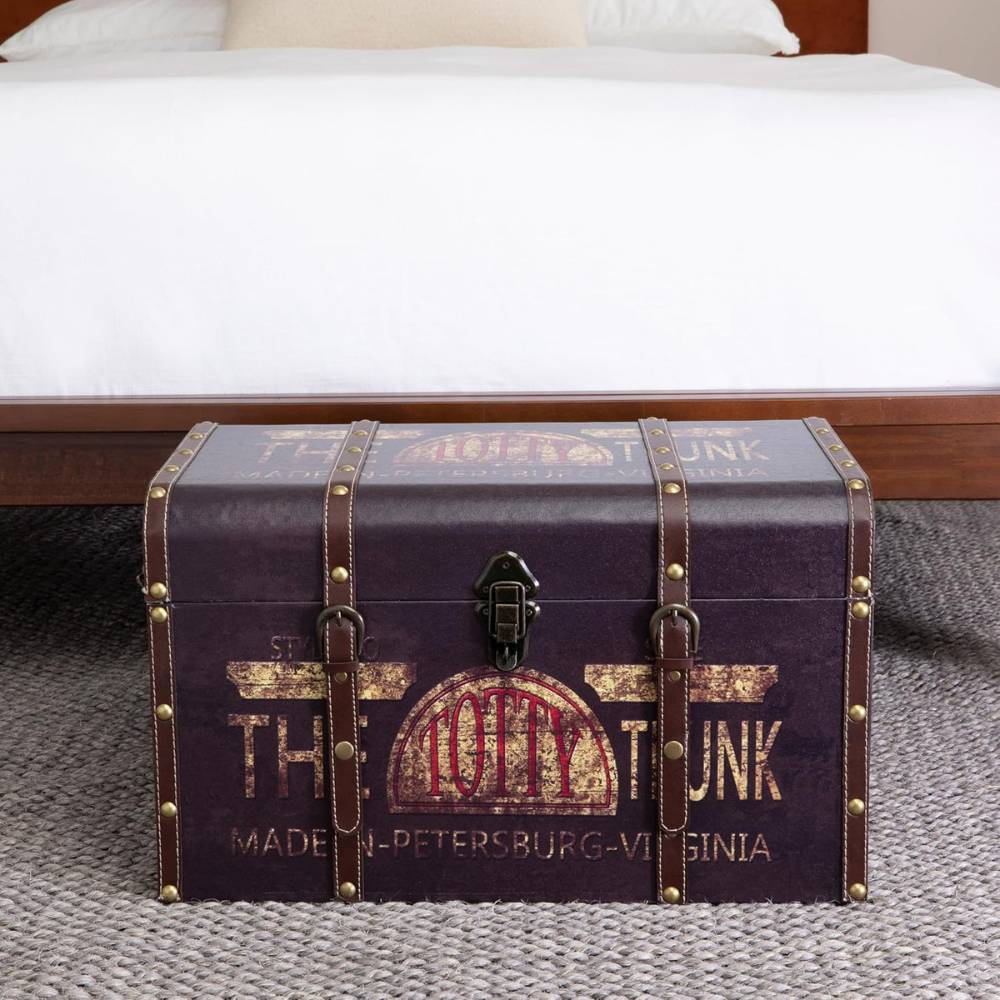
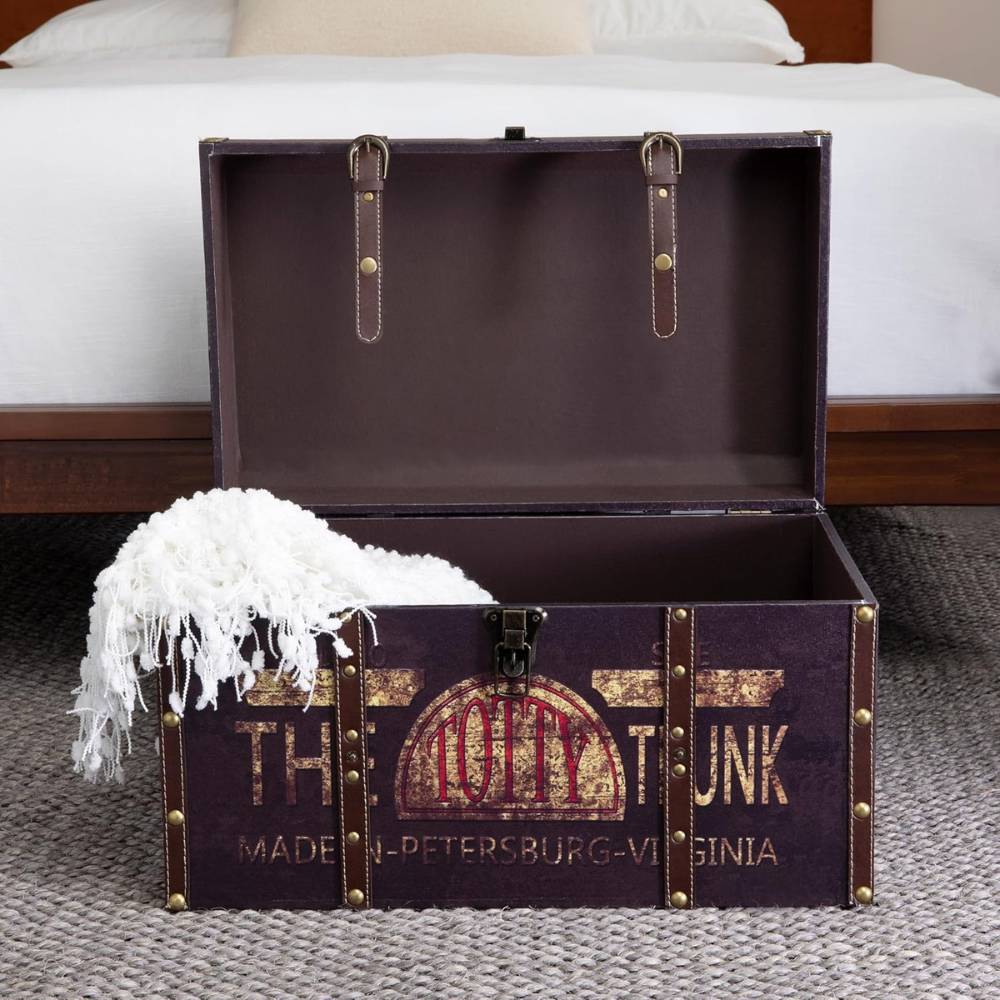
Original vintage trunks are often handcrafted from solid wood, with the age marks and patina to prove it. Reproductions copy the style but use modern materials such as MDF and updated finishes, which brings better durability for the money and a much lower price. Our own trunk is a reproduction, and we say so plainly: you get the look without the antique-dealer price or the restoration work.
Material quality
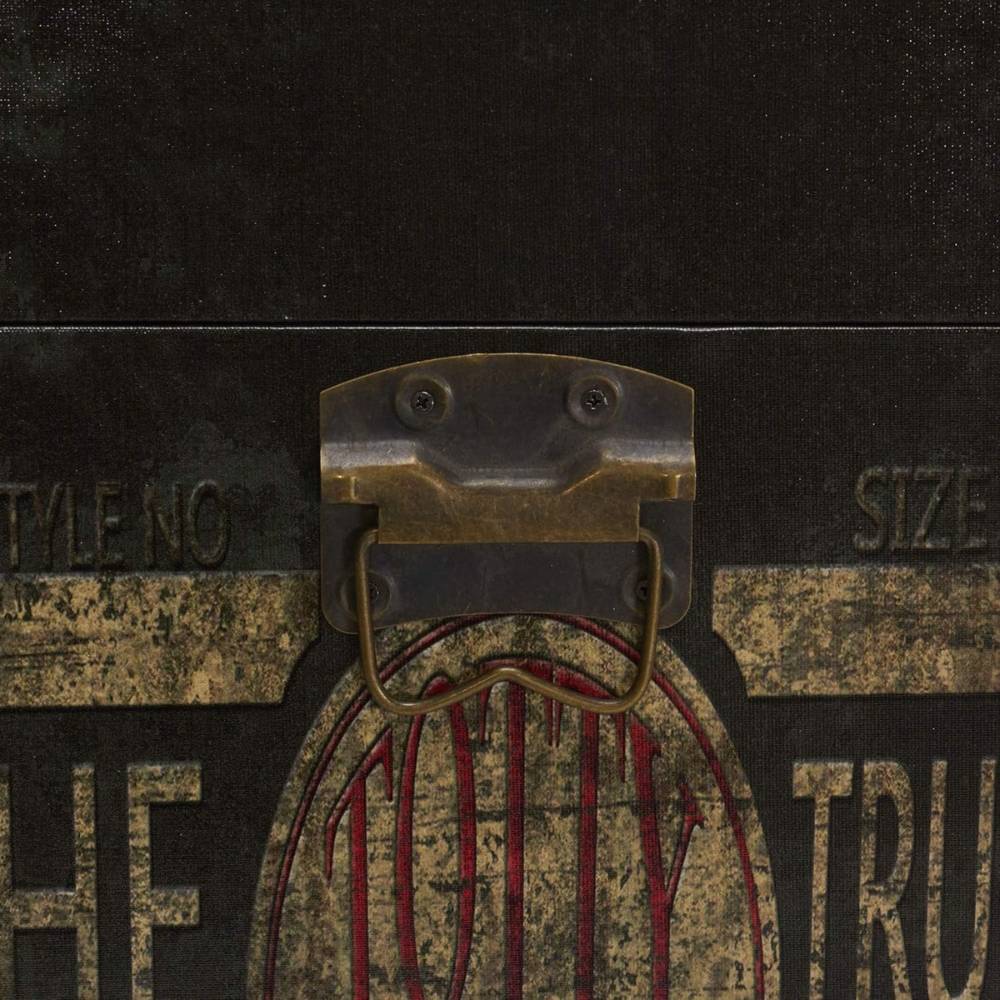
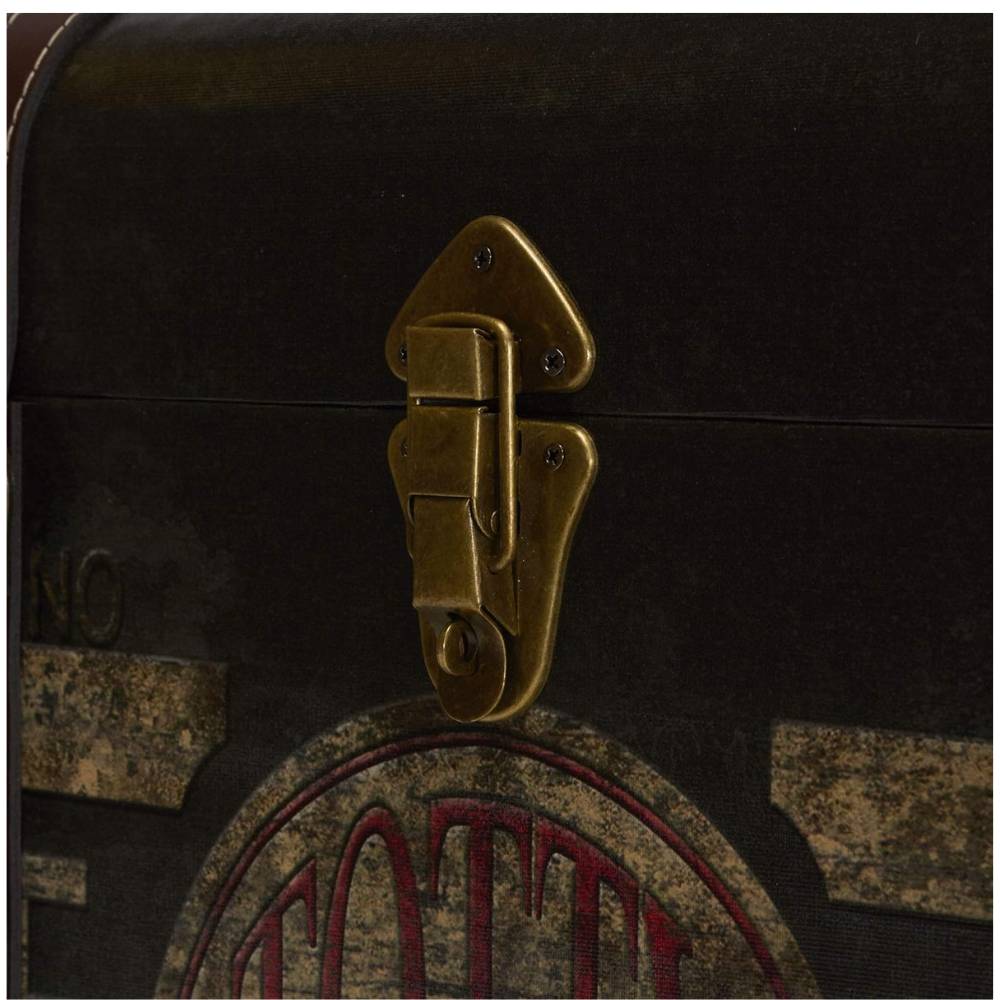
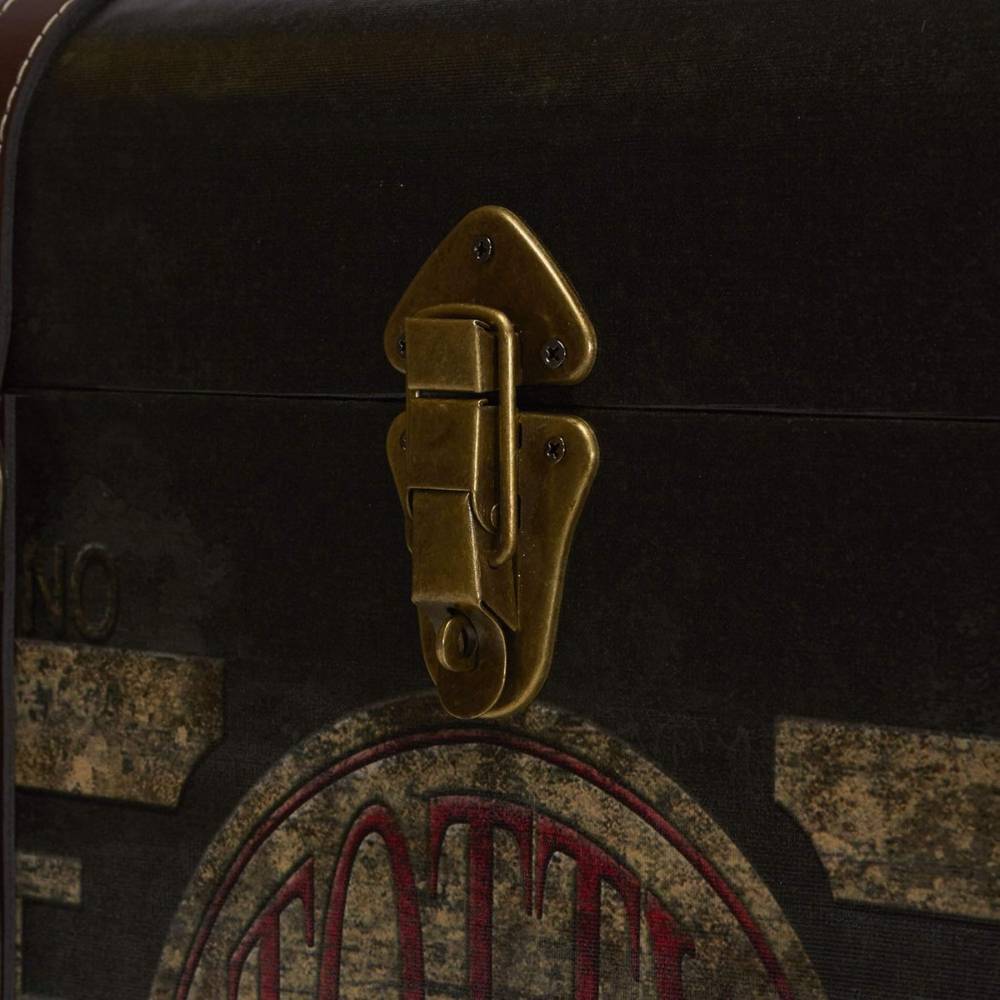
The best trunks use serious materials: full-grain leather, heavy canvas, real brass hardware, durable wood or plywood. Look for reinforced corners, riveted handles and latches that actually work.
Size and storage volume
Think about the space first. A 22-inch trunk is right for the foot of a bed. A 30-inch trunk suits a living room or office. Measure before you buy, and check the height if it needs to slide under a console or window sill.
Interior lining and compartments
Some steamer trunks include fabric-lined interiors, removable trays or hidden compartments. These are useful for valuables and for keeping small items from rattling around in the bottom.
Aesthetic fit
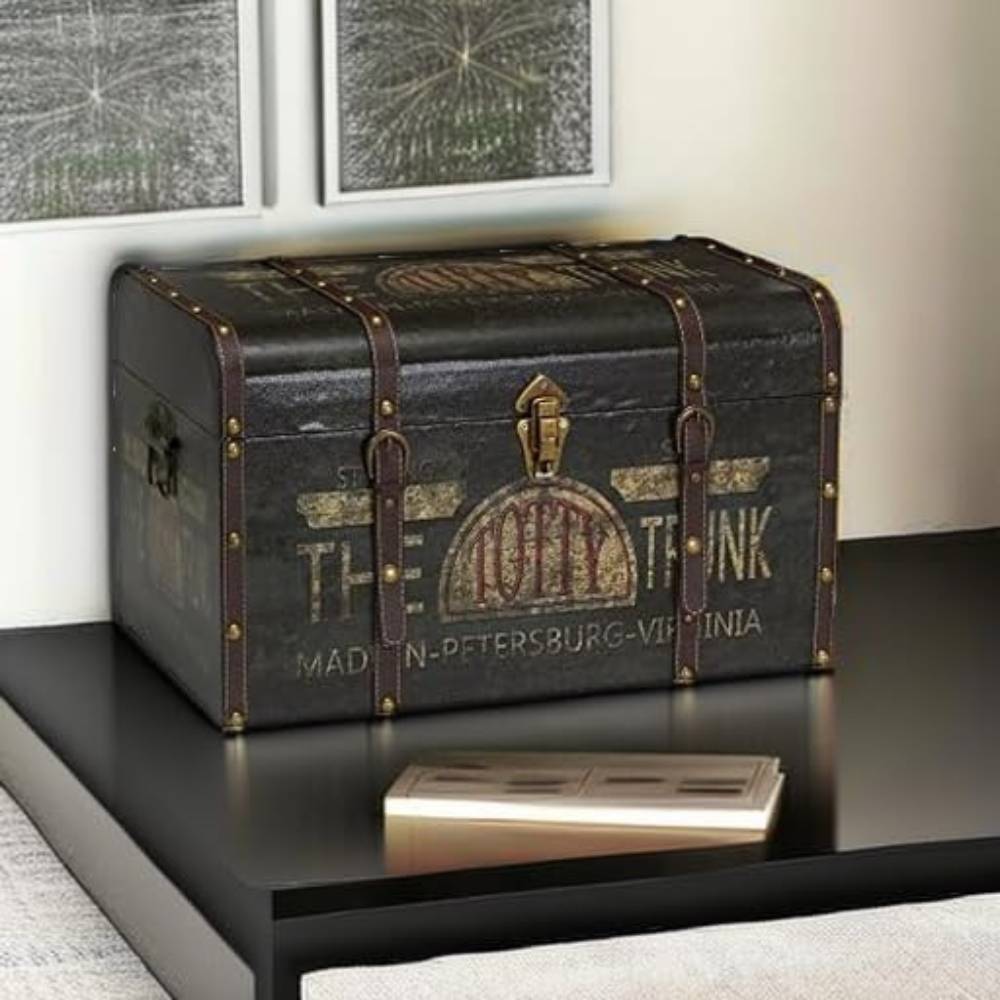
Whether your room is industrial, rustic or mid-century, the trunk should echo textures already in the space: leather, aged wood, brushed metal. Distressed finishes in dark green, black or deep brown sit comfortably in most masculine rooms.
The most useful ways to use one
The beauty of a trunk is versatility. The most popular uses we see:
- End-of-bed storage for blankets, spare linens and off-season clothing.
- A coffee table with hidden storage under the lid.
- A home bar, with bottles and glassware organized inside.
- A record or book chest for vinyl and hardbacks.
- An entryway bench, topped with a cushion, holding shoes underneath.
Styling it in a masculine space
Masculine rooms are built on texture, utility and understated quality, which is exactly what a trunk brings.
Pair it with dark leather and wood: a leather club chair, a walnut desk, a dark oak shelf. Stay with natural tones and skip glossy finishes.
Layer the top with a few chosen objects: old books, a brass clock, a glass decanter. Curated, not cluttered.
Then let light do the work. Warm-toned lamps bring out wood grain and aged hardware. Industrial lamps and Edison bulbs suit these setups well.
Care and maintenance
A trunk should improve with age, and it will if you treat it right:
- Dust regularly with a microfiber cloth.
- Condition any leather once a year so the straps do not crack.
- Keep it away from moisture, which causes mold and warping in wood-based trunks.
- Keep it out of direct sunlight to stop the finish fading.
The right trunk for each room
For the bedroom: a low-profile trunk at the foot of the bed. A lined interior protects clothes and linens.
For the living room: a sturdy flat-top trunk that can serve as a coffee table, in a neutral finish such as distressed black, deep brown or olive green.
For the office or den: a taller, narrower chest works as a side table or file store, especially styles with drawer-type compartments.
Finishing the look
A few companion pieces round out the trunk's classic appeal: a vintage globe or compass, a leather briefcase, a steel or brass desk lamp, a wool throw, and wall art with old maps or train posters.
Closing thoughts
A good vintage storage trunk is about more than storage. It organizes where you are and nods to where you have been. Whether you are outfitting a loft, upgrading a bedroom or furnishing with intention, a steamer-style trunk brings form, function and quiet authority to the room.
Ready to find yours? The trunk on this page is our pick for the foot of a bed or under a console, and it ships direct to your door across the USA.