



The complete guide
Pocket Watch Buyer's Guide, How Hand Wind Mechanical Watches Work and How to Choose
Why people come back to pocket watches
Most of us check the time on a phone. It takes three seconds, it is always right, and it is completely forgettable. That is exactly the problem a pocket watch solves. It makes a small ritual out of something that has become automatic.
There is a practical side too. If you wear formal dress, a wristwatch can fight with a shirt cuff and a jacket sleeve. A pocket watch sits out of the way until you want it. If you work with your hands, a watch on the wrist gets scratched, caught and knocked. In a pocket it is protected. And if you simply do not like wearing anything on your wrist, this is the obvious alternative.
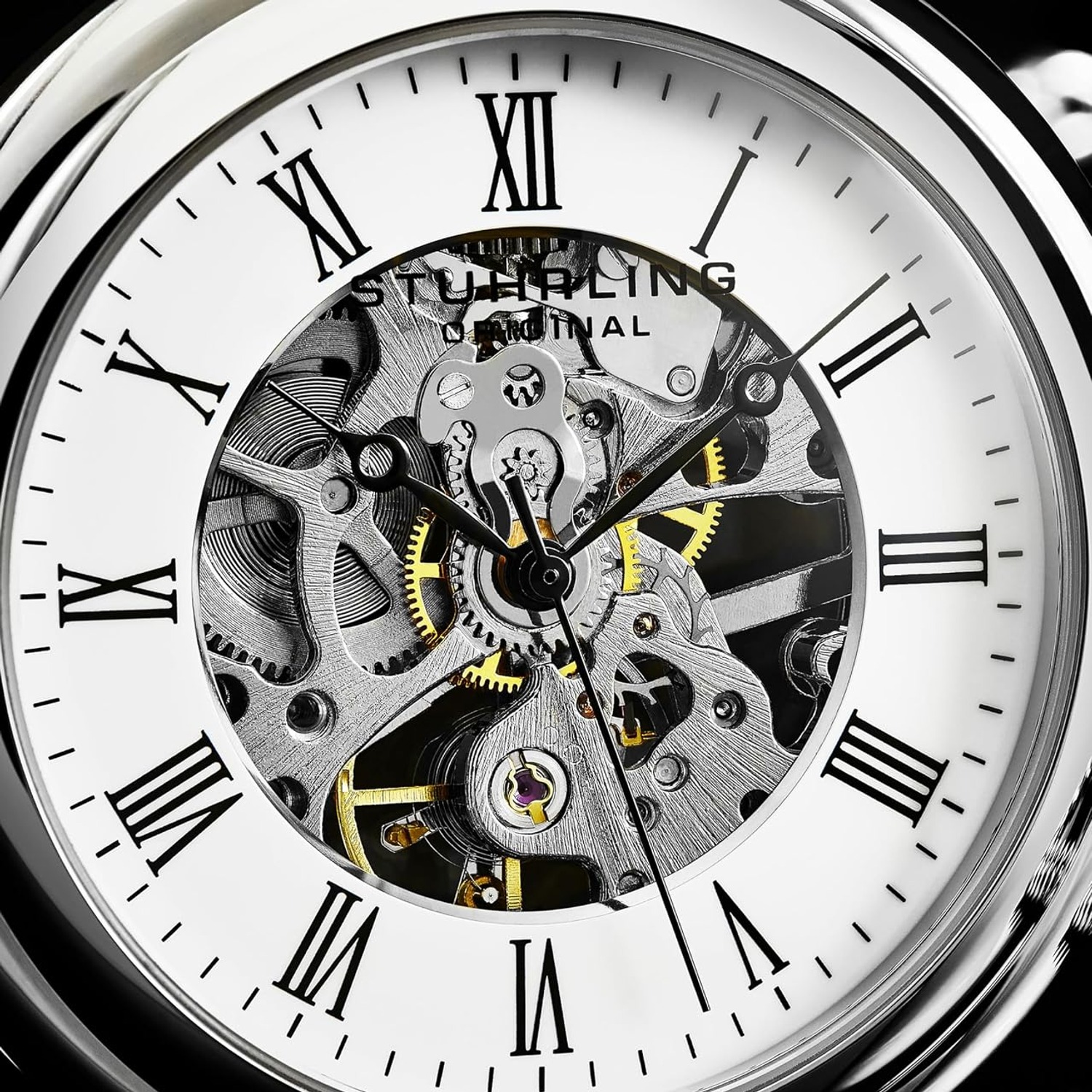
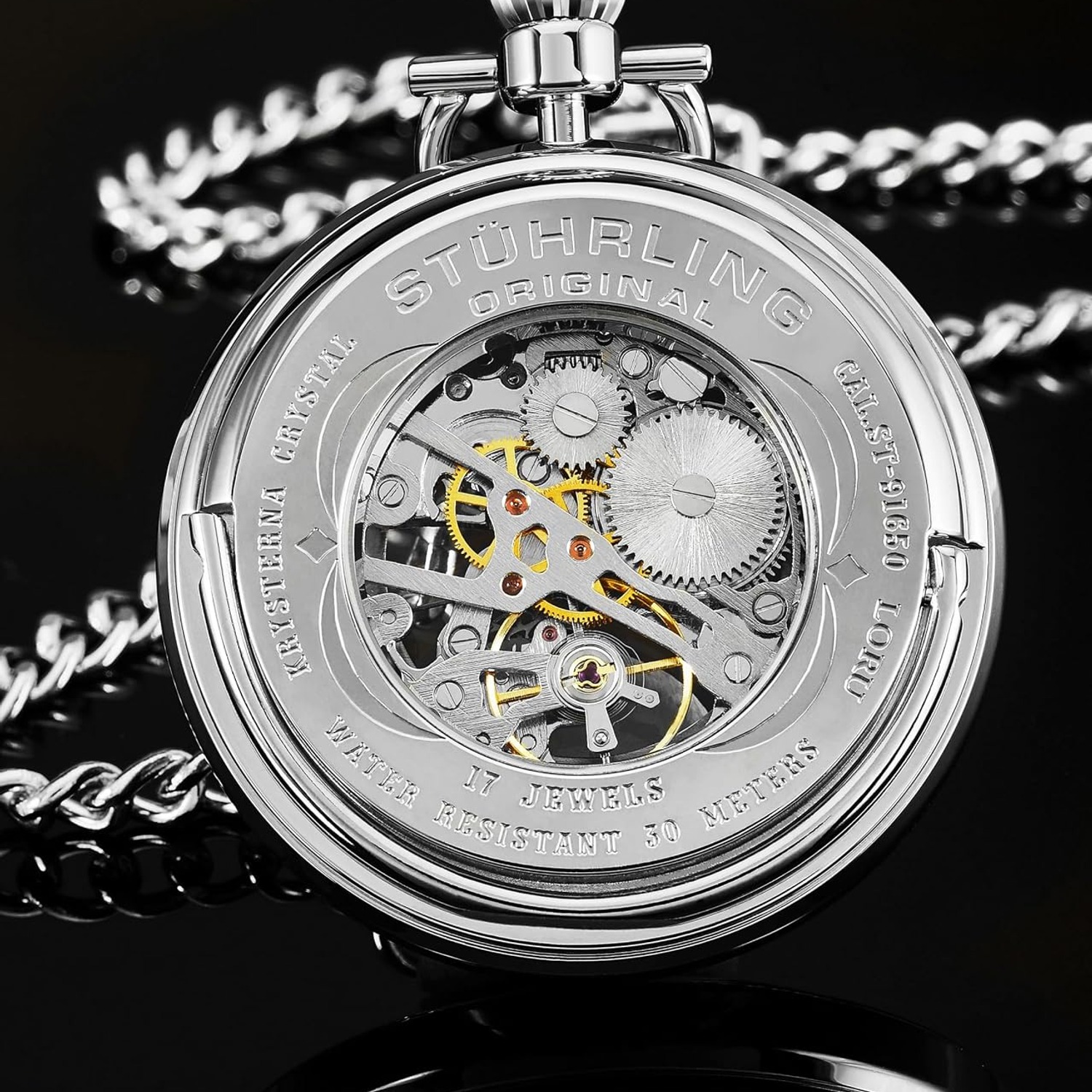
Then there is the mechanical part. A hand wind movement has no battery and no chip. It stores energy in a spring and lets it out at a controlled rate through a train of gears. On a skeleton dial you can watch that happen. People who like machines tend to like this one a lot.
How a hand wind mechanical movement actually works
The crown is the small knob on top. Turning it winds a flat coiled spring called the mainspring. As the spring relaxes it turns a series of gears, and an escapement releases that energy in tiny, even steps. The balance wheel swings back and forth, and that swing is what sets the pace. The ticking you hear is the escapement doing its job.
Because the energy is stored in a spring, the watch only runs for as long as that spring has tension. The estimated power reserve for the movement in this mechanical pocket watch is 30 hours. That is a typical figure for a hand wind piece. It means a daily wind is part of owning one, and most people find that takes about fifteen seconds.
Wind until you feel firm resistance and then stop. Do not keep forcing it. If the watch stops because you forgot, nothing is harmed. Wind it, set the hands, carry on.
Accuracy is different to a quartz watch. A mechanical movement will gain or lose a handful of seconds each day, which is normal and expected. Setting the hands once a week keeps it honest. If perfect accuracy matters more to you than the mechanism, a quartz model is the better pick, and that is worth being honest about before you buy.
What a skeleton dial gives you
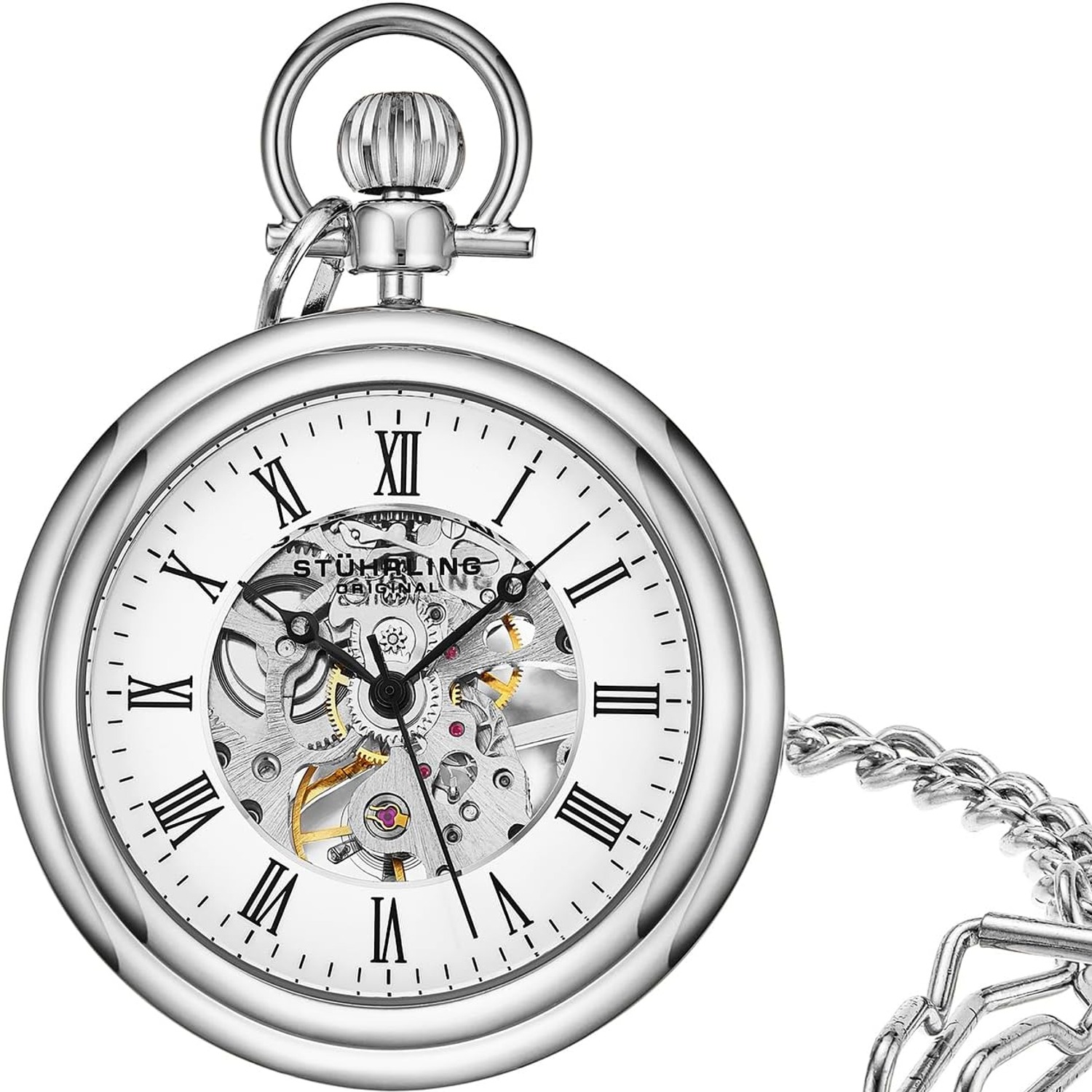
A standard watch has a solid face hiding the works. A skeleton dial cuts most of that face away so you can see the gears and the balance wheel in motion. This model takes it further with a dual-sided exhibition case, so you get the same view from the back. A dual-sided protective crystal covers both openings.
The trade-off with any skeleton dial pocket watch is readability. With no solid background behind the hands, there is more going on visually. This one keeps Roman numeral markers on the outer track, which helps a great deal. After a day or two your eye learns where to look and it stops being an issue.
If you want something to hand around at a wedding or leave on a desk where people will pick it up, the open dial is the whole point. If you want a watch you glance at twenty times a day in poor light, a plain white dial is easier.
Carrying it, and wearing it
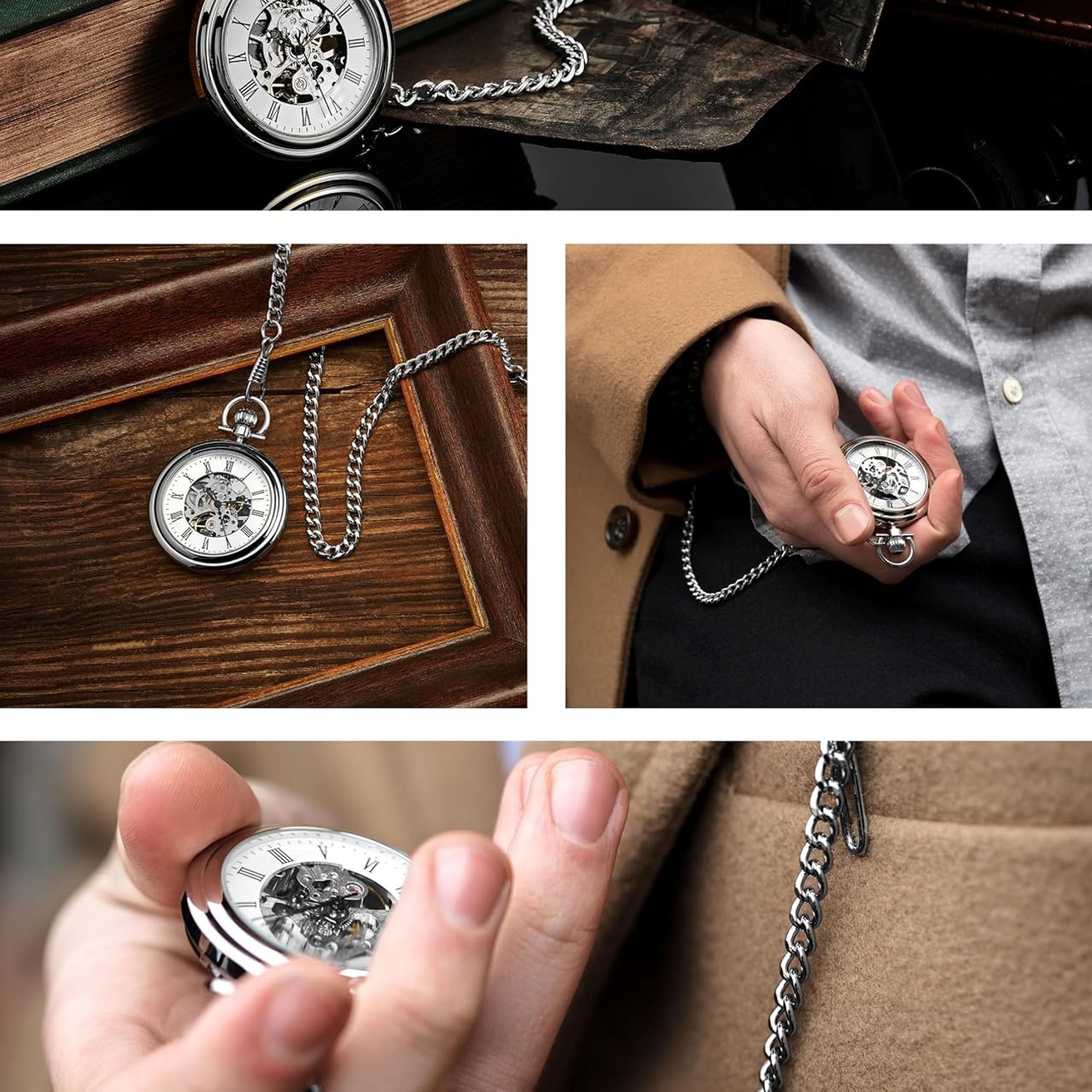
This one comes with a stainless steel chain finishing in a belt clip. That clip fastens to a belt loop, a waistcoat pocket edge or a trouser pocket, and the watch drops into the pocket below. The chain is there so that if the watch slips out of your fingers it does not hit the floor.
Waistcoat wear is the traditional look. Clip to one side, watch in the opposite pocket, chain draped across the front. It works beautifully with formal dress, which is why a pocket watch for weddings is such a common request. Groomsmen often get one as a gift and then wear it on the day.
Everyday carry is simpler. Clip it to a belt loop, slide the watch into a front trouser pocket, and go. The stainless steel case is sturdier than it looks, though you will want to keep keys and coins in a different pocket so the crystal does not get scratched.
There is one more trick on this model. An integrated hinge on the case lets you stand it upright on a flat surface. So on days you do not carry it, it works as a small desk clock, and the movement stays visible. That is a genuinely useful feature rather than a gimmick.
Choosing the right one for you
A few questions sort out most of the decision.
First, mechanical or quartz? If the mechanism is part of the appeal, a hand wind mens pocket watch is the right answer and the daily wind is a feature, not a chore. If you just want the look without the routine, quartz suits you better.
Second, open dial or solid dial? Open dials are more interesting to look at and slightly harder to read. Solid dials are the opposite.
Third, how will you attach it? A belt clip, as fitted here, is practical and quick. A spring ring or a T-bar is more traditional and needs a buttonhole or a waistcoat to work with. Think about what you will actually be wearing.
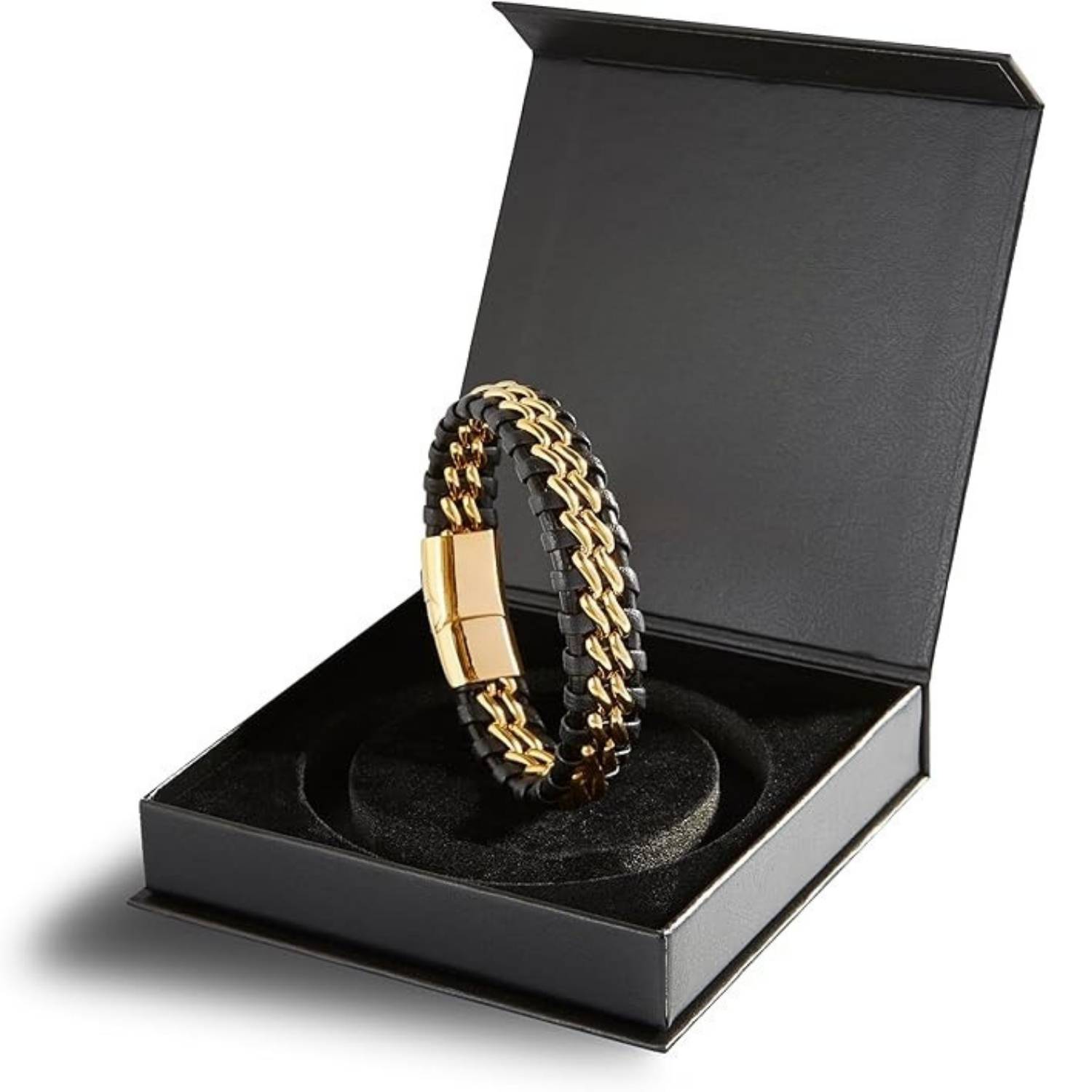
Fourth, what is it for? A watch bought for one wedding can be simpler than one you plan to carry for years. If it is a gift, the visual appeal when the box opens matters more than it might for yourself.
Looking after it
Mechanical watches reward a bit of attention and last a long time when they get it.
Wind gently and at roughly the same time each day. Set the hands by pulling the crown out, then push it fully back in. Leaving the crown out in a pocket invites a bend.
Keep it dry. It has no water resistance rating, so treat it as a dress piece. Wipe the case, chain and crystal with a soft dry cloth now and then. Skip household cleaners and solvents, which can mark both the steel and the crystal.
Store it somewhere it will not rub against keys, coins or other watches. A soft pouch is ideal. Standing it on its hinge on a shelf works too and keeps it visible.
Strong magnets can upset the rate of a mechanical movement, so keep it away from speakers, magnetic clasps and tablet covers. Every few years, a service by a qualified watchmaker cleans and re-lubricates the parts and keeps the timekeeping steady.
The short version
This is a hand wind mechanical pocket watch, model 6053.33113, with a stainless steel case and matching chain with belt clip. The skeleton dial sits in a dual-sided exhibition case behind a dual-sided protective crystal, so the movement is visible from both sides. Roman numeral markers keep it readable. A push and pull onion crown with a crown guard winds the spring and sets the hands, and the estimated power reserve is 30 hours.
Wind it once a day and it runs. No battery, no charger, no replacement cells. An integrated hinge means it stands upright as a desk clock when it is not in your pocket. It suits weddings, formal wear, daily carry, and anyone who likes watching a machine do its work. It has no water resistance rating, so keep it dry, and ask us before ordering if anything else matters to your decision.